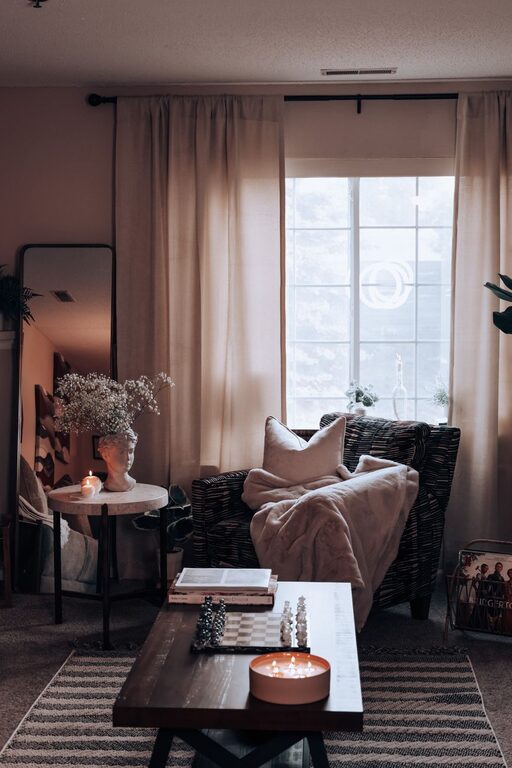
Creating a relaxing home workspace is essential for maintaining focus, reducing stress, and enhancing productivity. Whether you work remotely full-time or occasionally need a quiet spot for tasks, designing a space that feels calm and inviting can make a big difference in your daily routine. This guide offers practical tips to help you set up a home office that supports both your work and well-being.
Why a Relaxing Workspace Matters
When your workspace is cluttered, noisy, or uncomfortable, it can be hard to concentrate or feel motivated. On the other hand, a peaceful and well-organized area encourages clear thinking and creativity. A relaxing environment helps reduce distractions, minimizes stress, and creates positive associations with work time.
Choosing the Right Location
Find a Quiet Corner
Pick a spot in your home that is away from heavy foot traffic, loud appliances, or noisy family activities. This could be a spare room, a corner of the living room, or even a section of your bedroom. The key is to have a dedicated space where you can focus.
Natural Light Boosts Mood and Energy
Try to position your workspace near a window to take advantage of natural light. Daylight can enhance your mood and energy levels while reducing eye strain compared to artificial lights. Use sheer curtains or blinds to control glare without blocking sunlight entirely.
Furniture and Comfort
Invest in a Good Chair
A supportive, comfortable chair is one of the best investments you can make. Sitting for long periods requires proper lumbar support and cushioning to prevent back or neck pain. Adjustable chairs allow you to customize the height and tilt to your needs.
Choose a Suitable Desk
Your desk should be the right height for comfortable typing and writing. Depending on your preference, consider a desk with storage options to keep supplies organized or a standing desk to alternate between sitting and standing.
Declutter and Organize
A clutter-free desk promotes clear thinking. Use organizers, trays, or drawers to keep papers, stationery, and tech accessories neatly arranged. Regularly tidy your workspace to maintain a calm atmosphere.
Personalizing Your Space
Use Calming Colors
Colors can influence mood and focus. Soft shades like light blues, greens, or neutrals create a calming vibe, while bright colors can energize you if used sparingly. Avoid overly intense hues that may be distracting.
Add Natural Elements
Bringing plants into your workspace can brighten the room and improve air quality. Small potted plants or fresh flowers add a touch of nature and tranquility.
Incorporate Personal Touches
Photos, artwork, or inspirational quotes personalize your office and make it feel more welcoming. Choose items that make you smile without overwhelming the space.
Managing Lighting and Noise
Layer Your Lighting
Combine ambient, task, and accent lighting for flexibility. A desk lamp with adjustable brightness helps prevent eye strain during detailed work. Avoid harsh overhead lights that create glare.
Use Noise Control
If noise is an issue, soft rugs, curtains, and upholstered furniture can absorb sound. Consider noise-canceling headphones or white noise machines to block distractions.
Technology and Ergonomics
Position Your Screen Properly
Place your computer monitor at eye level about an arm’s length away. This reduces neck strain and encourages good posture.
Use Ergonomic Accessories
Keyboards and mice designed for comfort minimize wrist strain. A footrest can provide additional support if your feet don’t comfortably touch the floor.
Manage Cable Clutter
Use cable organizers or clips to keep cords neat and out of the way. This not only looks better but prevents accidents or distractions.
Encouraging Breaks and Movement
Take Regular Breaks
Stand up and stretch every hour to improve circulation and reduce fatigue. Short, frequent breaks can improve concentration.
Add Space for Movement
If possible, include a small area for light stretching or yoga. Movement breaks promote both physical and mental relaxation.
Maintaining Your Workspace
Develop a Cleaning Routine
Regularly dust, wipe surfaces, and vacuum to keep your environment fresh and inviting. A clean workspace supports a clear mind.
Update Your Space Periodically
Rotate plants, change artwork, or rearrange furniture now and then to keep the workspace inspiring. Small updates can refresh your motivation.
Conclusion
Creating a relaxing home workspace doesn’t require a complete makeover. By choosing the right location, investing in comfortable furniture, managing lighting and noise, and personalizing your environment, you can build a peaceful and productive space. Making your home office a place you enjoy will help you stay focused, reduce stress, and make working from home a more pleasant experience.
About the Author