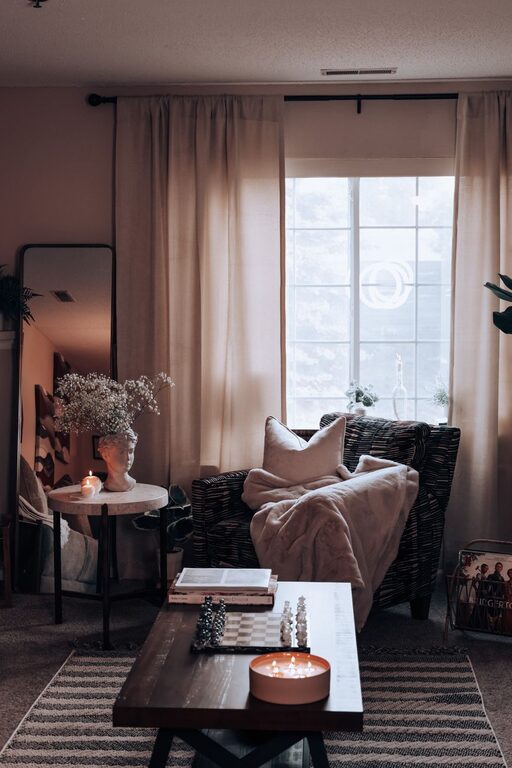

Creating a home office that is both cozy and productive can significantly enhance your work-from-home experience. A well-designed workspace not only helps you focus but also makes the time spent working more enjoyable. Whether you have a dedicated room or a small nook, these tips will guide you in setting up an inviting and efficient home office space.
Choose the Right Location
Selecting the perfect spot for your office is the first step. Ideally, look for a quiet area with minimal distractions. A room with natural light is best, as sunlight can boost mood and energy levels. If a separate room isn’t available, consider a corner in your living room or bedroom that you can personalize for work.
Consider Noise Levels
Background noise can disrupt your concentration. Use noise-cancelling headphones or white noise machines if your space is near noisy areas. Adding soft furnishings like rugs and curtains can help absorb sound and create a quieter environment.
Invest in Comfortable and Functional Furniture
Your furniture plays a key role in comfort and productivity. Choose an ergonomic chair that supports your back and encourages good posture to prevent discomfort during long work hours.
Desk Selection
Pick a desk that fits your space and needs. If space is limited, a compact desk or a foldable wall-mounted option works well. Ensure you have enough surface area for your computer, notebooks, and other essentials.
Organize with Storage Solutions
Clutter can hinder productivity. Use shelves, filing cabinets, or desk organizers to keep documents and supplies neat. This will reduce distractions and make it easier to find what you need quickly.
Personalize Your Space
Adding personal touches makes the office feel inviting. Decorate with photos, plants, or artwork that inspire you. A few well-chosen items can lift your spirits without cluttering the space.
Bring in Nature
Indoor plants not only enhance aesthetics but also improve air quality and reduce stress. Low-maintenance plants like succulents or spider plants are great for busy professionals.
Optimize Lighting
Proper lighting reduces eye strain and keeps you alert. Natural light is ideal, but when that’s limited, use a combination of overhead lighting and task lamps.
Use Adjustable Lighting
A desk lamp with adjustable brightness and direction allows you to focus light where you need it most. Avoid harsh fluorescent lighting, as it can cause headaches and fatigue.
Minimize Distractions
Staying focused can be challenging at home. Set clear boundaries with family or roommates about your work hours and space.
Declutter Your Digital Space
Keep your desktop and browser tabs organized. Use apps or tools to block distracting websites during work hours.
Incorporate Technology and Accessories
Technology can streamline your work, so ensure your devices are up to date and placed conveniently.
Cable Management
Use cable organizers or clips to keep wires tidy. A clutter-free desk looks cleaner and helps reduce stress.
Use a Quality Monitor and Keyboard
If you work on a laptop, consider adding an external monitor and keyboard for better ergonomics and productivity.
Create a Routine and Dedicated Workspace
Establishing a routine helps separate work from personal life. When your workspace is designated solely for work, your brain associates it with productivity.
End-of-Day Ritual
At the end of the day, clear your desk and shut down your computer. This simple habit helps signal that work time is over and prevents burnout.
Final Thoughts
Designing a cozy yet productive home office is about balancing comfort with functionality. By choosing the right location, investing in good furniture, personalizing your space, and minimizing distractions, you can create an environment that helps you work effectively and enjoyably. Remember, your home office should serve your needs—don’t hesitate to adjust and improve your space over time.
About the Author