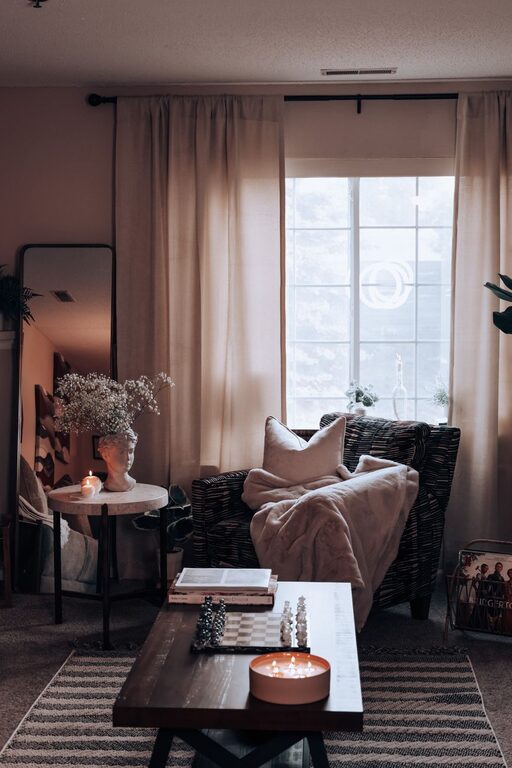
Creating a relaxing home office environment is key to staying productive and maintaining a healthy work-life balance. Whether you work remotely full-time or occasionally, your workspace can greatly impact how you feel and how efficiently you work. In this post, we’ll explore practical tips to help you design a calm, comfortable, and inspiring home office.
Why a Relaxing Home Office Matters
Working from home blurs the lines between personal and professional life. A cluttered or stressful environment can lead to distractions, anxiety, and decreased motivation. On the other hand, a well-planned office space promotes focus, creativity, and well-being. Taking the time to curate a soothing workspace benefits both your work quality and mental health.
Choose the Right Location
Find a Quiet Spot
Select a room or area in your home with minimal noise and foot traffic. If possible, avoid high-traffic zones like kitchens or living rooms. A quieter environment helps you concentrate and reduces interruptions.
Consider Natural Light
Position your desk near a window to take advantage of natural daylight. Sunlight helps regulate your body clock and boosts mood. If natural light is limited, invest in full-spectrum LED bulbs that mimic daylight.
Invest in Comfortable Furniture
Ergonomic Chair
A supportive chair is essential for long hours at your desk. Choose one with adjustable height, lumbar support, and comfortable padding to prevent back and neck pain.
Functional Desk
Pick a desk that fits your space and needs. Standing desks or adjustable sit-stand desks are great options to avoid sitting all day and encourage movement.
Organize Your Space
Declutter Regularly
A tidy space can help clear your mind. Keep only essential items on your desk and store the rest neatly.
Use Storage Solutions
Shelves, filing cabinets, and drawer organizers keep your office materials accessible yet out of sight. Labeling storage containers makes it easier to find what you need.
Add Soothing Elements
Use Soft Colors
Calming hues like soft blues, greens, or neutrals reduce stress and create a peaceful atmosphere. Avoid overly bright or harsh colors that can cause tension.
Incorporate Plants
Indoor plants purify the air and bring a touch of nature indoors. Low-maintenance plants like snake plants, pothos, or succulents work well in home offices.
Personal Touches
Include items that inspire and motivate you such as artwork, photos, or meaningful objects. Just be careful not to overcrowd your desk.
Manage Lighting Wisely
Layer Lighting
Combine overhead lights, task lighting, and ambient lamps to create balanced illumination. Task lamps with adjustable brightness help reduce eye strain.
Control Glare
Position screens to avoid window glare and use blinds or curtains to manage sunlight.
Minimize Digital Distractions
Organize Cables
Use cable organizers or clips to keep wires neat and out of your way. A tidy desk helps reduce visual clutter.
Use Noise-Canceling Tools
If external noise is an issue, noise-canceling headphones or white noise machines can improve focus.
Promote Comfort and Wellness
Take Breaks
Schedule regular breaks to stretch, move around, and rest your eyes. Short pauses increase productivity and reduce fatigue.
Maintain Good Air Quality
Keep the room ventilated by opening windows or using an air purifier.
Stay Hydrated
Keep water nearby to stay refreshed throughout your workday.
Final Thoughts
Designing a relaxing home office is about creating a space that supports your work habits and well-being. By focusing on comfort, lighting, organization, and personal touches, you can transform your workspace into a calming retreat that enhances productivity and enjoyment.
Start small by implementing one or two of these tips, then gradually build your ideal office environment. Your mind and body will thank you!
About the Author