
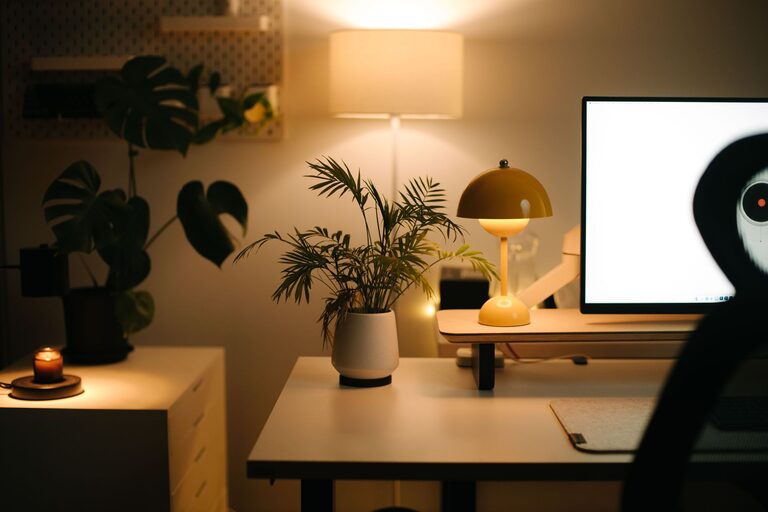
Creating a cozy and productive home workspace is essential for anyone working remotely or spending long hours on personal projects. A well-designed space can help you stay focused, reduce stress, and even make work more enjoyable. Whether you have a dedicated room or just a small corner, there are simple steps you can take to make it comfortable and efficient.
Why a Cozy Workspace Matters
A comfortable workspace does more than look nice. It impacts your mood, energy, and concentration. When your environment feels inviting and organized, you’re more likely to approach tasks with enthusiasm and less likely to procrastinate. This balance of comfort and functionality is key to making your home workspace work for you.
Choosing the Right Location
Consider Natural Light
If possible, set up your workspace near a window. Natural light boosts your mood and helps reduce eye strain compared to artificial lighting. If you can’t find a spot with direct sunlight, try to use a desk lamp with a daylight bulb to mimic natural light.
Minimize Distractions
Look for a quiet area away from high-traffic zones in your home. If that’s not possible, noise-cancelling headphones or soft background music can help you focus. Inform family members or roommates about your work hours to reduce interruptions.
Furnishing Your Workspace
Invest in a Comfortable Chair
A supportive chair is a must. Sitting for long periods can strain your back and shoulders, so choose an ergonomic chair that promotes good posture. Look for adjustable height and lumbar support.
Pick a Functional Desk
Your desk should fit your available space and work style. If you prefer to spread out papers, a larger surface is helpful. For smaller areas, a wall-mounted or foldable desk can save space while providing enough room to work.
Add Personal Touches
Include items that make you feel relaxed and inspired, such as plants, artwork, or family photos. Personalizing your space can motivate you and make work feel less like a chore.
Organizing for Efficiency
Keep Essentials Within Reach
Store frequently used items like pens, notebooks, and chargers nearby. Desk organizers, drawers, or shelves can keep things neat without cluttering your workspace.
Declutter Regularly
A tidy space helps reduce stress. Make it a habit to clear your desk at the end of each day and organize cables or paperwork weekly.
Use Digital Tools
Minimize paper clutter by using apps for notes, calendars, and project management. Digital tools can streamline your workflow and keep important information accessible.
Lighting and Comfort
Layer Your Lighting
Combine general overhead light with task lighting to avoid eye strain. Adjustable desk lamps allow you to direct light where you need it most.
Control Temperature and Ventilation
Keep your workspace comfortable by ensuring good airflow and maintaining a moderate temperature. Use a fan, heater, or air purifier as needed.
Manage Noise Levels
If ambient noise is distracting, consider white noise machines or apps that create soothing sounds. These can mask disruptive noises and help you concentrate.
Creating Boundaries
Set Clear Work Hours
Establish when you start and end your workday. This habit helps separate work and personal life, reducing burnout.
Define Your Space’s Purpose
When possible, use your workspace only for work-related activities. Avoid eating, watching TV, or other leisure activities in this area to maintain mental separation between work and relaxation.
Incorporating Break and Movement Areas
Designate a Spot for Breaks
If space allows, create a small area where you can step away from your desk to relax. This could be a comfy chair or a yoga mat for stretching.
Move Regularly
Take short breaks every hour to stand, stretch, or walk around. Movement boosts circulation and refreshes your mind.
Final Thoughts
Designing a cozy and productive home workspace doesn’t require a big budget or a lot of space. By focusing on comfort, organization, lighting, and clear boundaries, you can create an environment that supports your best work. Take time to adjust your setup as needed—your perfect workspace will evolve with your needs.
With these tips in mind, you’re ready to turn your home workspace into a place where you can work comfortably and efficiently every day. Happy working!
About the Author