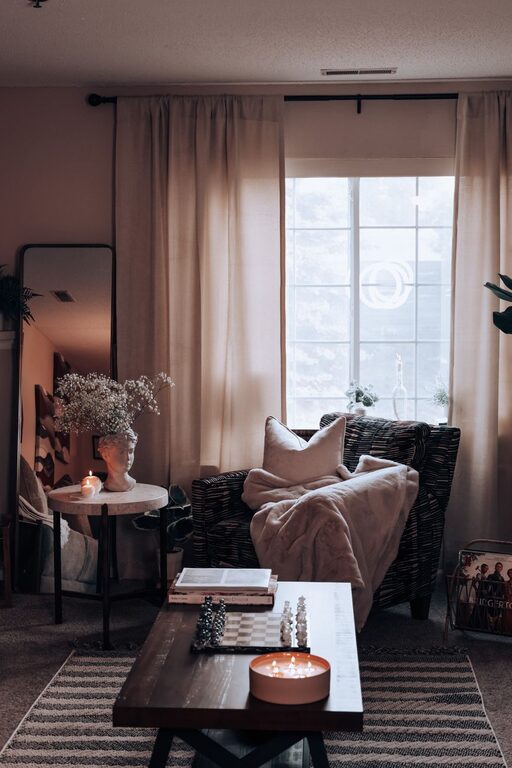
Creating a relaxing home workspace is essential for maintaining focus, reducing stress, and improving productivity. Whether you work remotely full-time or occasionally bring tasks home, an inviting and well-organized workspace supports your best work. In this guide, we’ll explore practical tips to help you design a calming home office environment that encourages efficiency and well-being.
Why a Relaxing Workspace Matters
Your workspace directly affects your mindset and energy levels. A cluttered or chaotic environment can increase stress and distract you from your tasks. On the other hand, a space that feels peaceful and organized motivates you to stay on track and enjoy your workday more.
Setting up a relaxing home workspace doesn’t require a major renovation or expensive equipment. Small changes and thoughtful organization can make a big difference.
Choose the Right Location
Selecting the right spot in your home for your workspace is the first step.
– Find natural light: Position your desk near a window if possible. Natural light boosts mood and helps reduce eye strain.
– Minimize distractions: Avoid busy areas like near the TV or kitchen where noise and foot traffic can interrupt your focus.
– Consider privacy: If space allows, pick a quiet room or corner where you can close the door or avoid interruptions.
Invest in Comfortable Furniture
Comfort plays a key role in keeping you relaxed and productive throughout the day.
– Ergonomic chair: Choose a chair with good lumbar support and adjustable features to fit your posture.
– Desk at proper height: Your desk should allow your arms to rest comfortably at a 90-degree angle when typing.
– Standing options: If possible, consider a sit-stand desk to vary your position and reduce fatigue.
Organize to Promote Calm
Clutter can create cognitive overload, making it harder to focus. Organizing your workspace promotes a sense of calm and control.
– Use storage solutions: Drawers, shelves, and boxes keep papers and supplies neatly tucked away.
– Minimal essentials: Keep only frequently used items on your desk to reduce distractions.
– Cable management: Use clips or sleeves to keep cords and chargers tidy and out of sight.
Personalize Your Space Thoughtfully
Adding personal touches helps make your workspace inviting without overwhelming it.
– Plants: Small indoor plants improve air quality and add a soothing natural element.
– Artwork: Choose calming images or motivational quotes that inspire but don’t overload the senses.
– Lighting: Use a desk lamp with adjustable brightness to supplement natural light and avoid strain.
Create a Relaxing Atmosphere
Beyond appearance, the environment you create impacts your productivity.
– Calming colors: Soft, neutral tones like blues, greens, or pastels tend to be more relaxing than bright, bold colors.
– Aromatherapy: Lightly scented candles or essential oil diffusers with scents like lavender or eucalyptus can reduce stress.
– Sound: Consider background music or white noise to block distractions if your environment is noisy.
Establish a Routine for Your Workspace
Maintaining your workspace ensures it stays a relaxing and productive area.
– Daily tidy-up: Spend 5 minutes at the start or end of each day clearing your desk and organizing items.
– Dedicated work hours: Define specific times to work to build consistency and separate work from personal time.
– Break reminders: Use timers or apps to prompt regular breaks, preventing burnout.
Technology Tips for Comfort and Efficiency
Your devices should support your productivity, not hinder it.
– Adjust screen settings: Reduce eye strain by adjusting brightness, contrast, and font sizes.
– Use a good keyboard and mouse: Ergonomic peripherals reduce discomfort during long hours.
– Declutter digital files: Organize your computer and task lists to streamline your workflow.
Final Thoughts
Designing a relaxing home workspace is about creating an environment that feels comfortable and supports your focus. By combining thoughtful layout, comfortable furniture, organization, and calming elements, you can enjoy a space that makes work less stressful and more productive.
Start by making small improvements, and over time, customize your workspace to perfectly suit your needs. A well-designed home office doesn’t just benefit your work — it can also improve your overall well-being.
About the Author